Other recycling machine
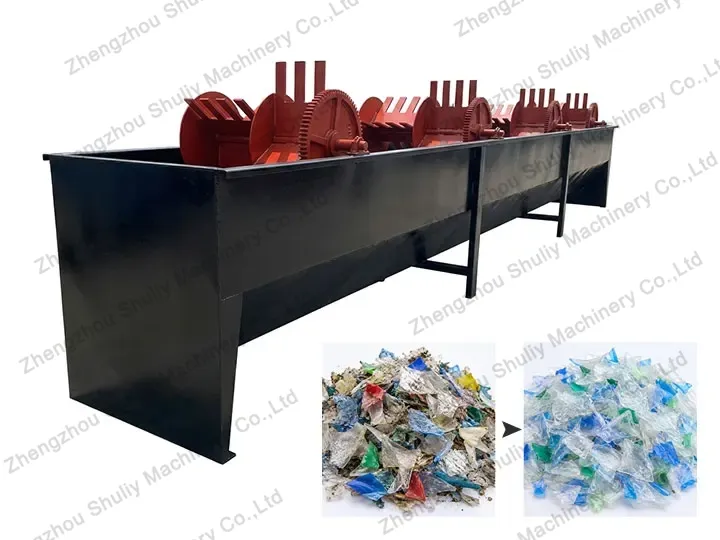
Plastic washing tank
Shuliy plastic washing tank removes dirt, sand, and impurities from PP, PE, PVC, and other plastic flakes, offering 100–500 kg/h capacity and customizable lengths from 5 to 20 m.
Other recycling machine
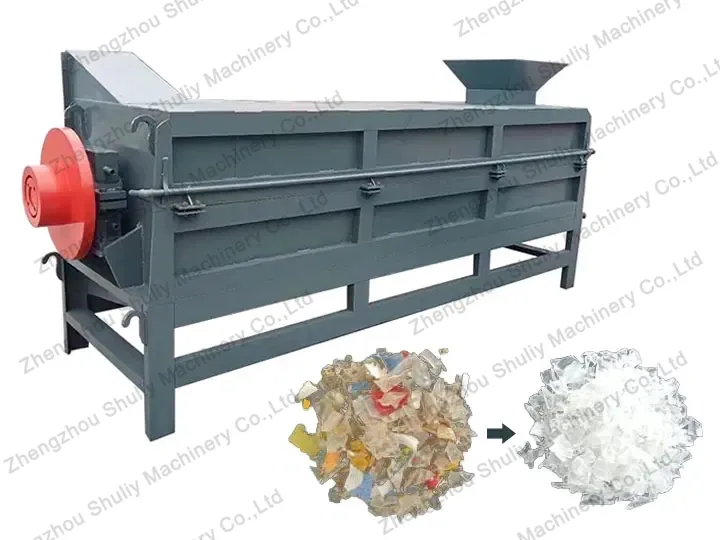
Shuliy PET flakes friction washing machine has a capacity of 500–2,000 kg /h and uses high-speed friction and water spraying to clean PET bottle flakes.
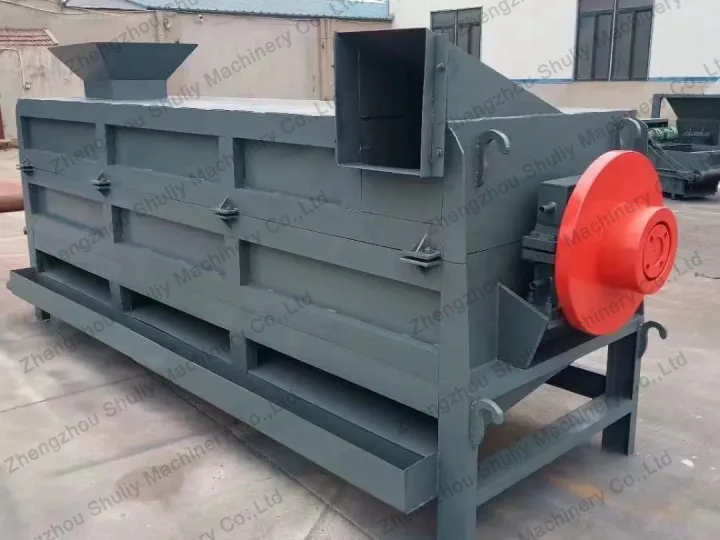
The PET flakes friction washing machine is designed to remove dirt and contaminants from PET bottle flakes through high-speed mechanical friction and water spraying. With a processing capacity of 500–2,000kg/h, the machine is widely used in PET bottle recycling washing lines to improve flake cleanliness before dewatering and drying.
Its length ranges from 3,000 to 3,500mm, with a 4mm outer layer and 6mm-thick blades. The machine can be customized with a feeding conveyor and dimensions to meet different production requirements.
1. High-speed friction for effective cleaning
The high-speed rotor creates intensive friction between PET flakes, helping loosen dirt and other surface contaminants. Combined with continuous water spraying, the machine provides an additional cleaning stage for recycled plastic materials.
2. Screen filtration and water spraying system
The PET flakes friction washing machine features a screen cylinder, multiple spray nozzles, and a drainage area. The screen separates the washed flakes from wastewater and smaller contaminants, while the spray system helps flush away accumulated dirt.
The screen can be removed for inspection and maintenance. A water-based screen-flushing system can also help reduce the buildup of residues during continuous operation.
3. Customizable machine dimensions
The PET flakes friction washer can be customized to match the layout and processing capacity of an existing recycling line. A feeding conveyor is available when required, helping connect the friction washer with upstream washing equipment.
4. Continuous operation and easy maintenance
The machine is designed for continuous washing operations. Its accessible screen and straightforward mechanical structure make routine inspection and maintenance more convenient.
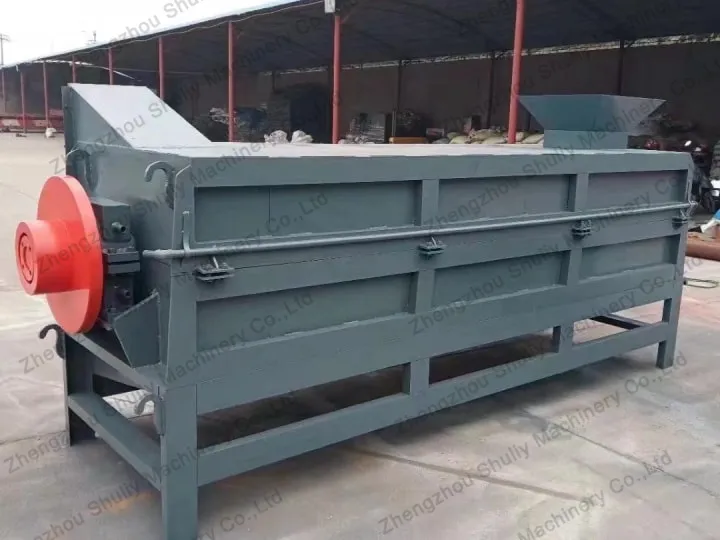
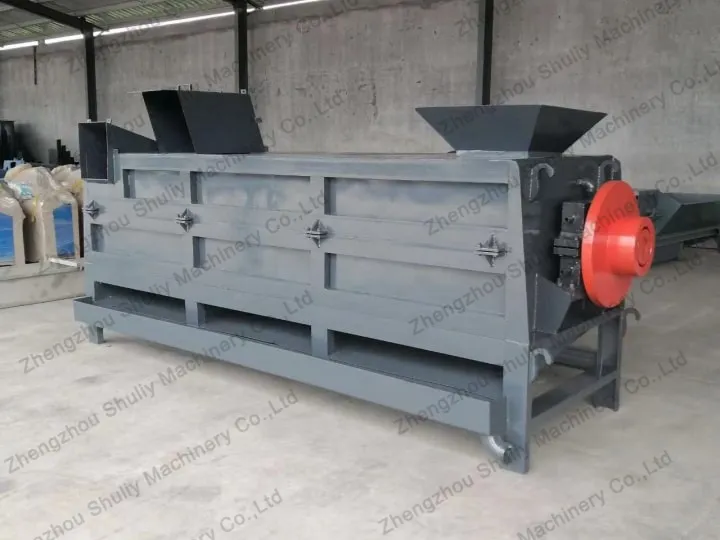
The PET flakes friction washing machine uses high-speed mechanical friction combined with water spraying to remove contaminants from plastic flakes. Its main working process includes feeding, friction washing, contaminant separation, and discharging.
Step 1: Feeding PET flakes
Contaminated PET flakes enter the machine. A spiral conveyor can be added to transport materials automatically, reducing manual handling and improving the continuity of the washing process.
Step 2: High-speed friction washing
A motor drives the main shaft, which is equipped with multiple blades. As the shaft rotates at approximately 1,000 rpm, the blades create strong mechanical friction and agitation between the plastic flakes.
This action loosens dirt and residual contaminants attached to the flake surfaces, allowing them to separate more easily during washing.
Step 3: Water spraying and contaminant separation
Water is continuously sprayed onto the material and the inner screen during operation. The screen allows water and sufficiently small particles to pass through while retaining the plastic flakes.
Step 4: Discharging and further processing
After friction washing, the cleaned PET flakes move toward the discharge outlet and proceed to the next stage of the recycling line, typically dewatering and drying.
The washing residence time can be adjusted according to the contamination level and processing requirements.
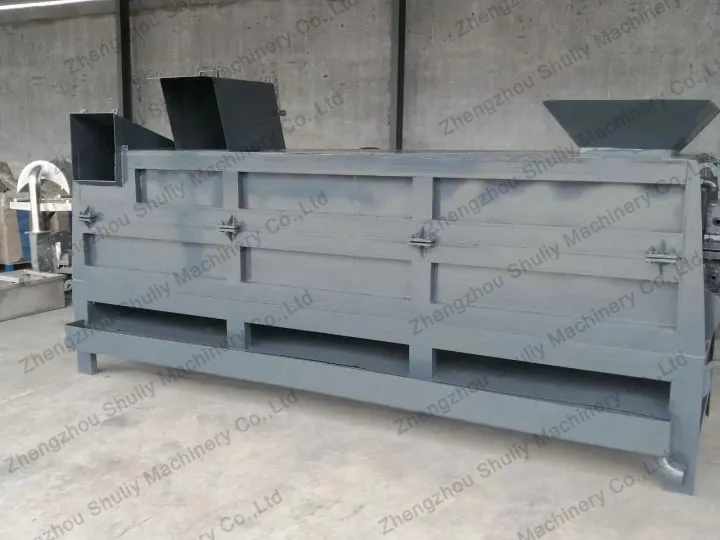
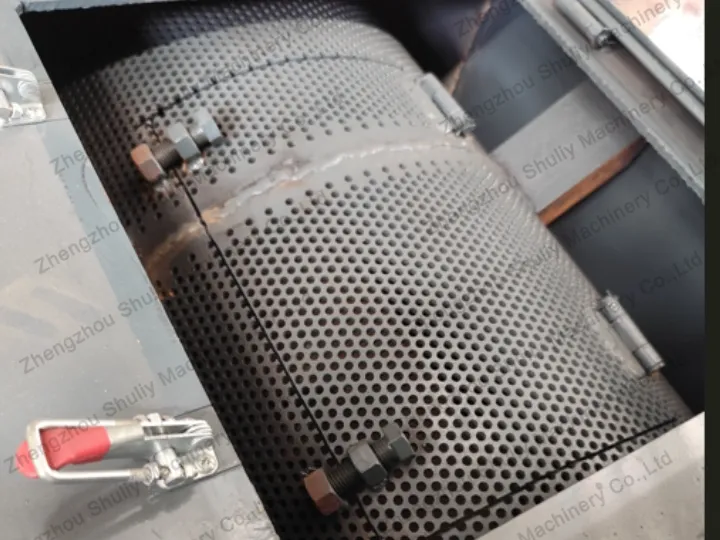
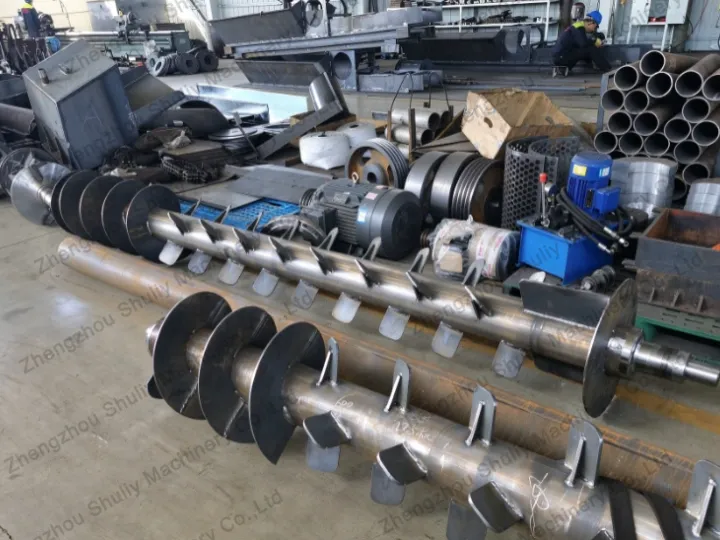
The main application of this plastic friction washer machine is cleaning plastic flakes in recycling facilities. Typical applications include:
The plastic flakes friction washing machine is primarily intended for plastic flakes rather than intact plastic bottles. Material compatibility should be confirmed before processing PP, PE, or other types of plastic.
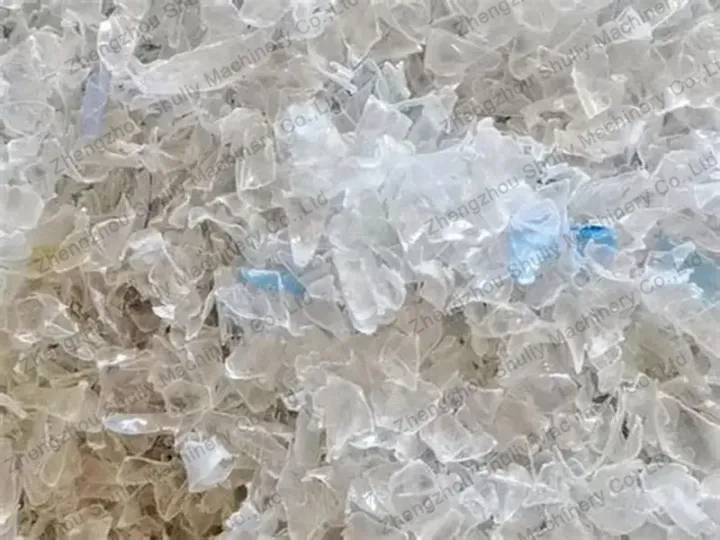
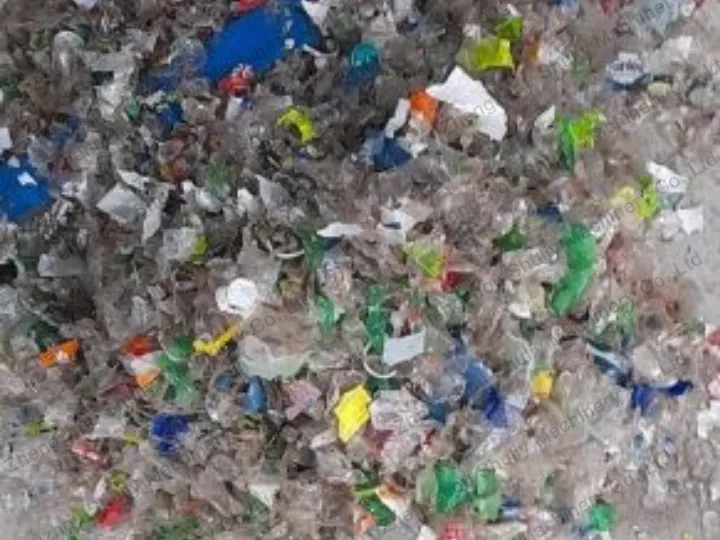
Unwashed PET flakes may contain visible dirt, residual labels, and other impurities that affect the quality of recycled materials. After friction washing in the PET flakes washing machine, the flakes are cleaner, with less surface contamination and a more consistent appearance.
This helps prepare the material for subsequent dewatering, drying, and recycling processes. For heavily contaminated flakes, additional washing or separation steps may be needed to meet the required cleanliness standards.
| Model | SL-1000 | SL-2000 |
| Capacity | 500-1000kg/h | 2000kg/h |
| Length | 3000mm | 3500mm |
| Power | 7.5kw | 15kw |
| Out layer | 4mm | 4mm |
| Blade thickness | 6mm | 6mm |
We have provided the specifications for two models of PET flakes washing machines above. If you have specific requirements and need a custom setup, please contact us for a tailored solution.
A PET flakes friction washing machine is usually integrated with other machines to form a complete plastic recycling washing line.
A plastic crusher machine reduces waste PET bottles into flakes before washing, while a screw conveyor transfers materials between processing stages.
After friction washing, a plastic dewatering machine removes excess water from the cleaned flakes. Depending on the raw material and desired output quality, the line may also include hot washing tanks and other cleaning equipment.
The equipment configuration can be adjusted according to the type of plastic waste, processing capacity, and required cleanliness of the final PET flakes.
A plastic friction washer is a plastic recycling machine that uses high-speed mechanical friction and water spraying to remove dirt and other contaminants from PET flakes.
The PET flakes washer machine helps remove loose dirt, surface residues, and other contaminants that can be separated through mechanical friction, water washing, and screen filtration.
Whether it is necessary depends on the incoming material, required final cleanliness, and configuration of the recycling line.
Routine maintenance mainly involves checking the rotor blades, screen, motor, bearings, spray nozzles, and drainage outlets. Remove accumulated residues when necessary and inspect worn components regularly.
Yes. The machine dimensions can be customized according to the layout of the recycling line, and a feeding conveyor can be added when needed. Before ordering, provide the material type, required processing capacity, upstream equipment details, and available installation space.
Shuliy provides PET flakes friction washing machines and supporting equipment for plastic recycling washing lines. Whether you need a standalone friction washer or a complete washing line, we can recommend a suitable configuration based on your raw materials, processing capacity, and production requirements.
Contact us today to discuss your project and get a customized equipment solution for your plastic recycling business.
Other recycling machine
Shuliy plastic washing tank removes dirt, sand, and impurities from PP, PE, PVC, and other plastic flakes, offering 100–500 kg/h capacity and customizable lengths from 5 to 20 m.
Other recycling machine
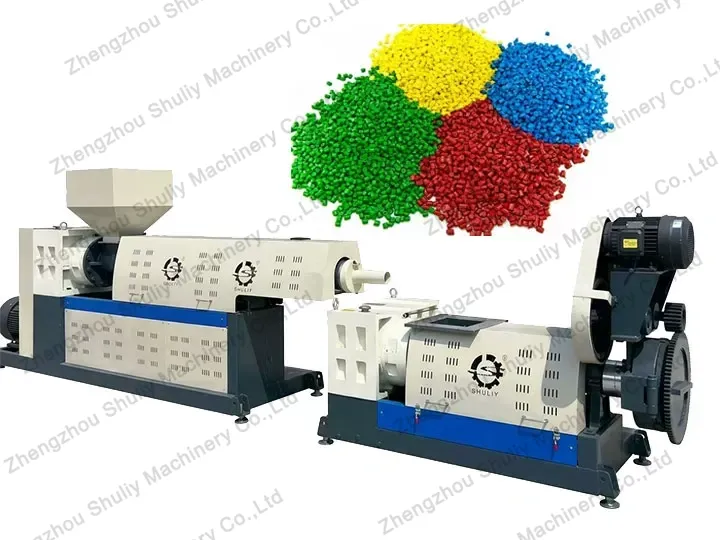
Shuliy plastic granulator machine processes PP, PE, HDPE, and LDPE waste into reusable pellets, with capacities of 3–7 tons per day and flexible production line configurations.
Other recycling machine
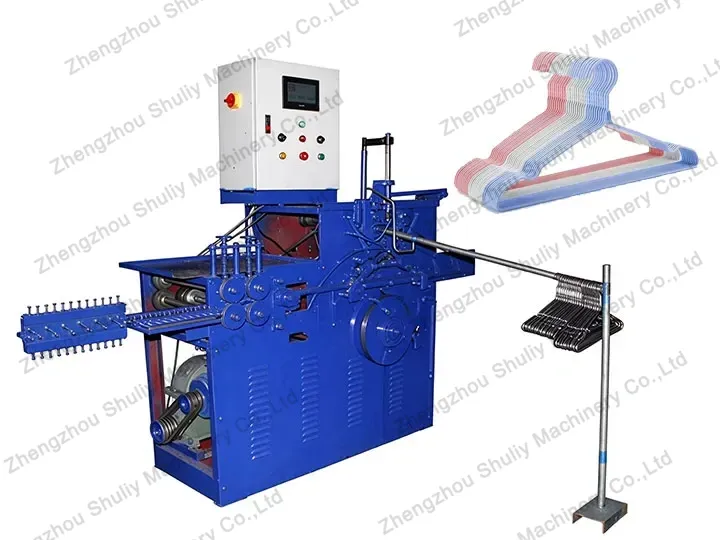
Hanger making machine form galvanized and PVC-coated wire into hangers at 18–52 pcs/min, with wire diameters of 1.7–4 mm and replaceable molds for different hanger shapes.
Other recycling machine
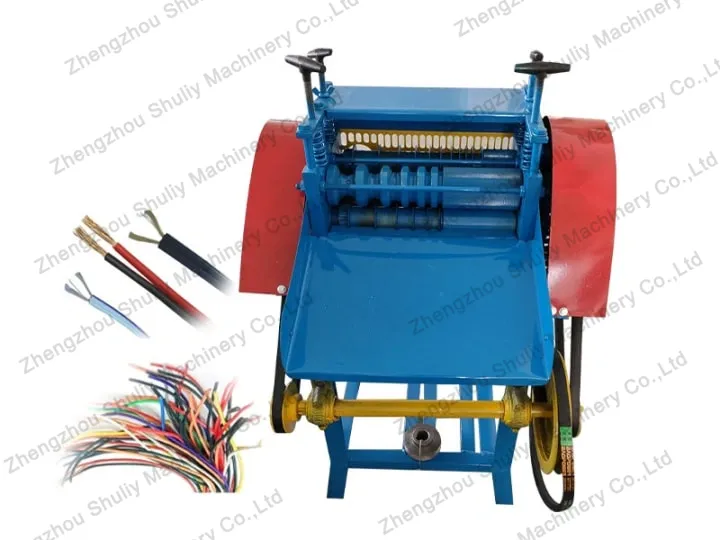
Shuliy copper wire stripping machines process scrap wires from 1.5–150 mm in diameter, with a daily capacity of 100–5,000 kg for copper and cable recycling.
Other recycling machine
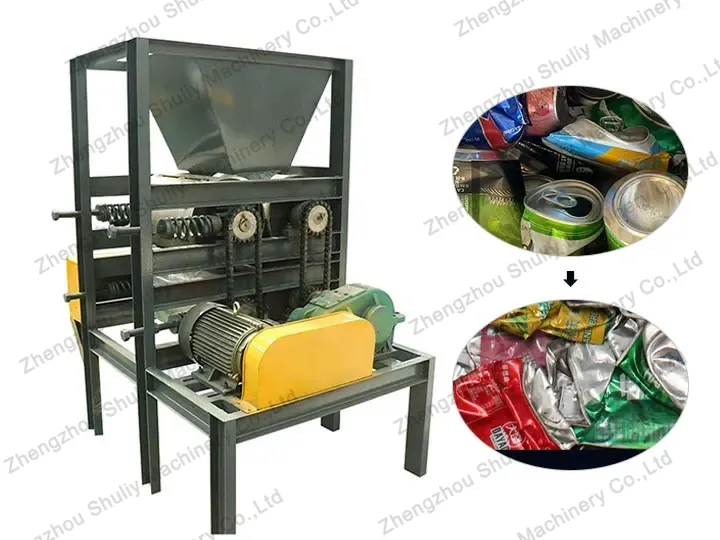
Shuliy aluminum can flattening machine uses counter-rotating rollers to flatten empty cans to 1–2 mm thick, with a capacity of up to 2,600kg/h for recycling.
Other recycling machine
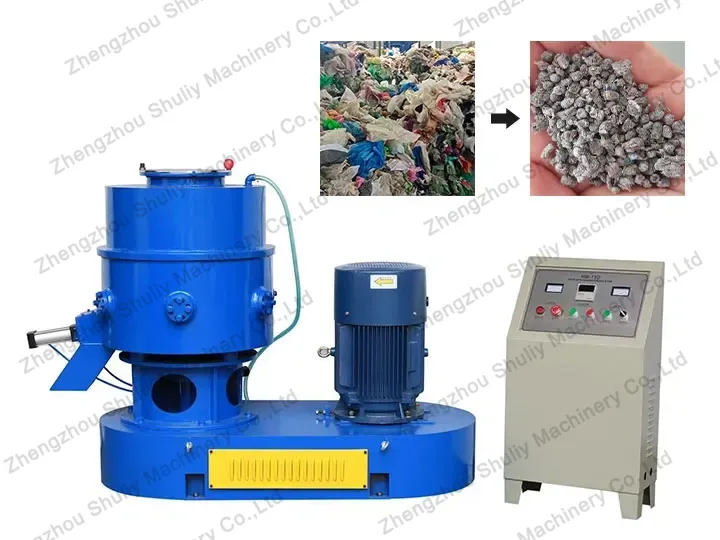
Plastic agglomerator machine for agglomerating plastic waste, with a capacity of 100–500 kg/h. It processes plastic film, bags, fibers, strips, sheets.
Other recycling machine
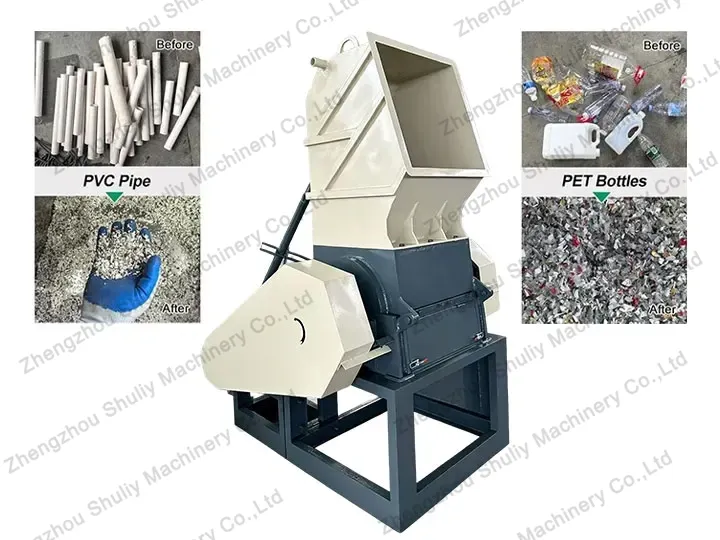
Shuliy plastic crusher machine processes plastic buckets, pipes, sheets, and other rigid plastic waste into small pieces at a processing speed of 600–2000kg/h.
Other recycling machine
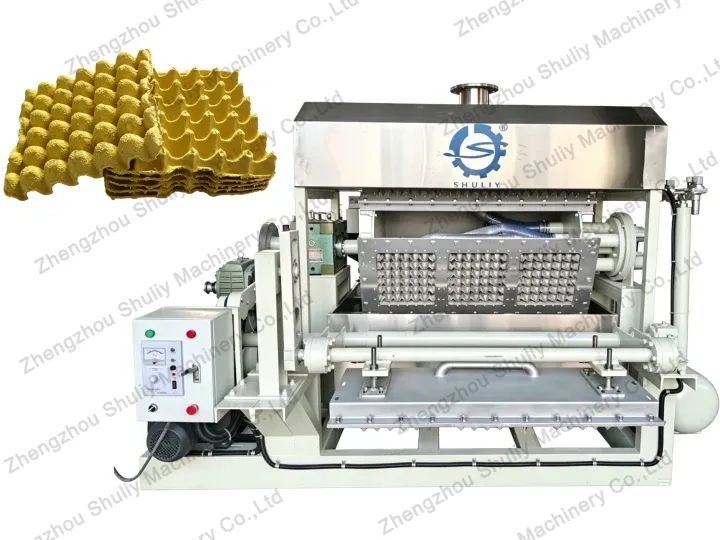
The pulp egg tray machine produces 2,500–7,000 pieces/h of molded pulp, including egg trays, cup trays, fruit trays, and wine bottle trays, with customized molds.
Other recycling machine
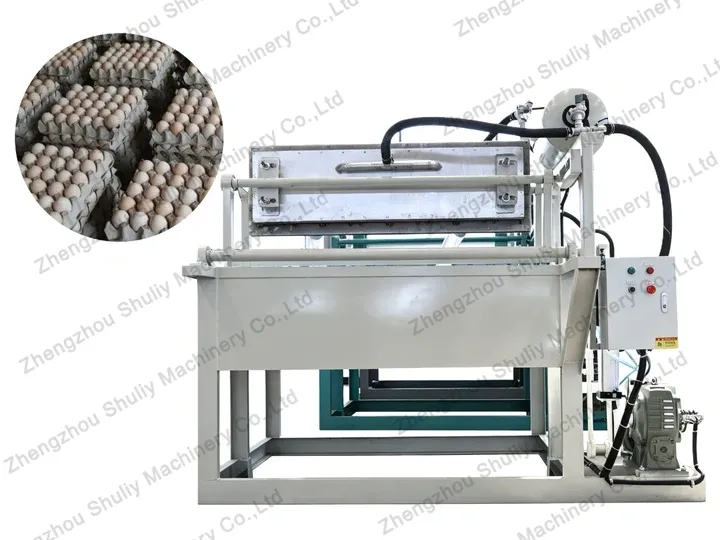
The SL-3*1 egg tray making machine processes waste paper into egg trays, egg cartons and coffee cup trays at 1,000–1,500 pcs/h, with 3 pieces per cycle.
Other recycling machine
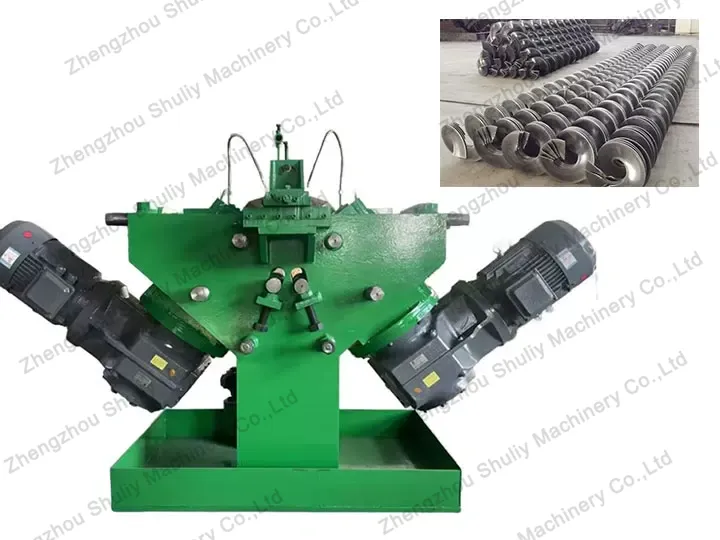
The spiral blade forming machine for continuous and single spiral blades. Process 2–6mm plates and 8–30mm materials with customized diameter, pitch, and thickness.