Plastic washing tank
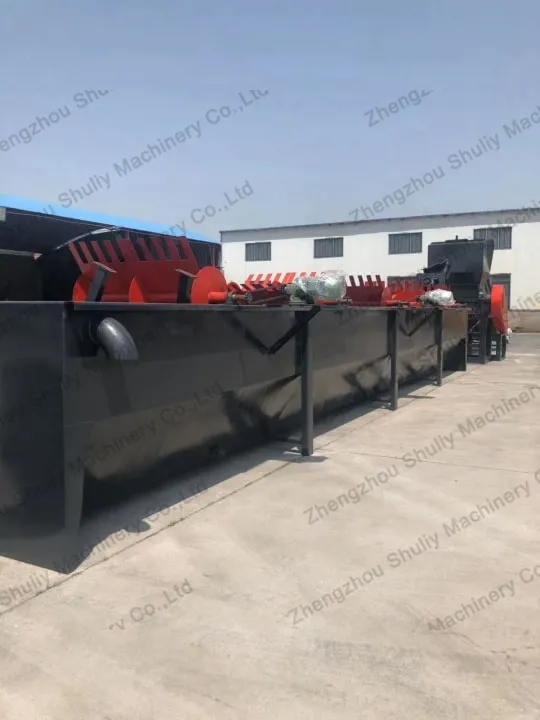
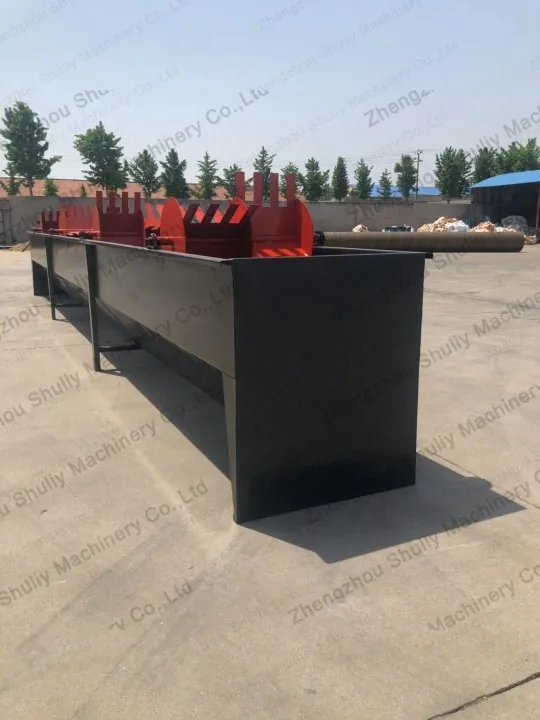
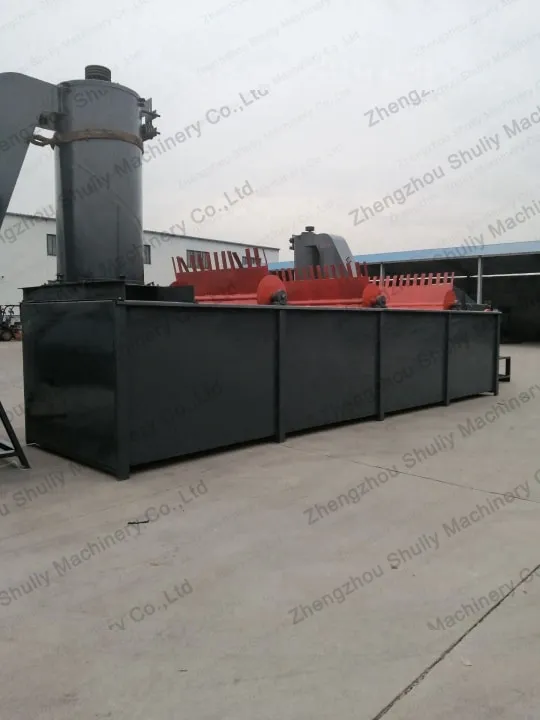
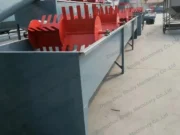
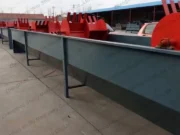
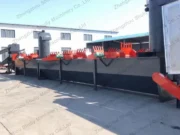
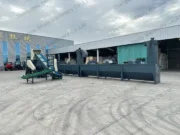
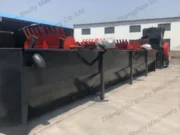
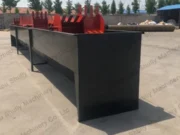
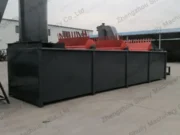
Plastic Washing Machine for Waste Plastic Recycling
Main Function: Removes dirt, sand, and impurities from crushed waste plastic
Applicable materials: PP, PE, HDPE, LDPE, PVC, PS, and ABS
Processing capacity: 100–500 kg/h
Tank length: 5–20 m, customizable
Tank material: Carbon steel or stainless steel
Price range: $2,300–$5,500
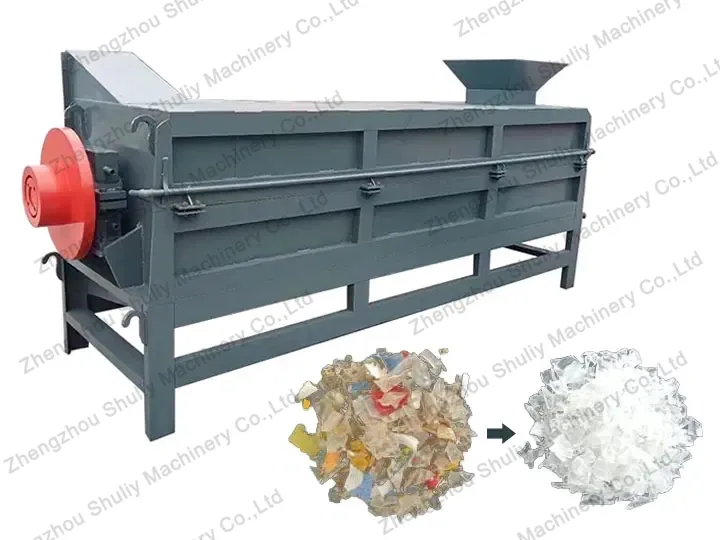
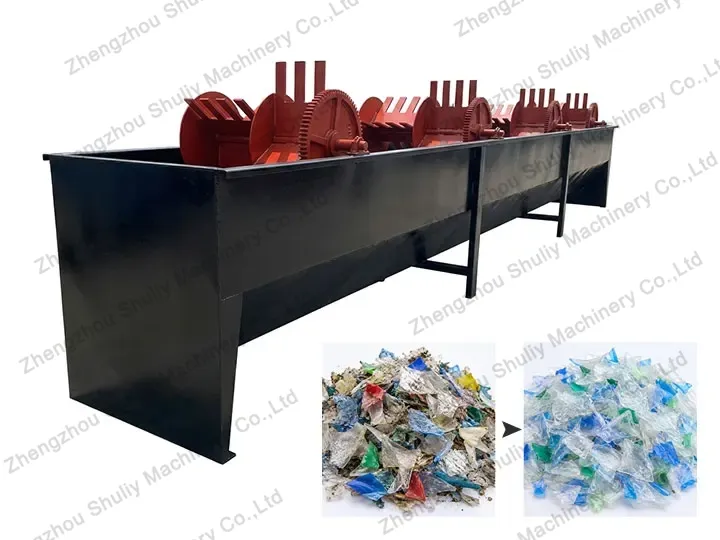
The plastic washing tank is an important part of a waste plastic recycling line. It cleans crushed plastic flakes by removing dirt, sand, dust, and other loose impurities from their surfaces. This washing process prepares PP, PE, HDPE, and other plastic materials for subsequent recycling operations.
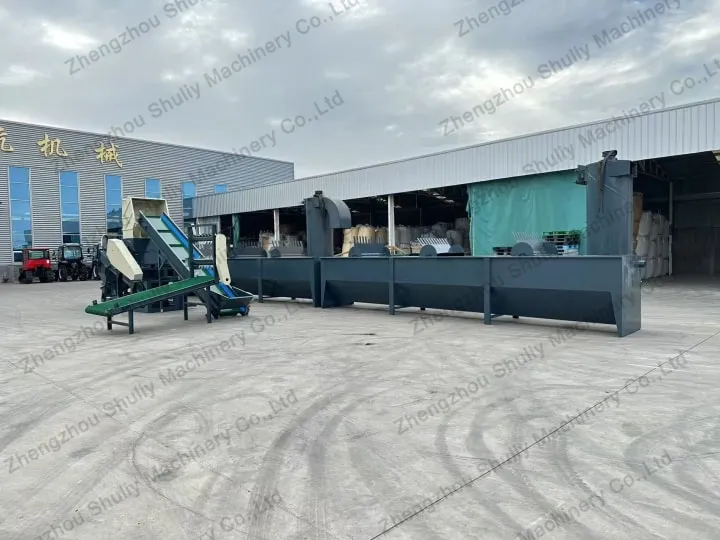
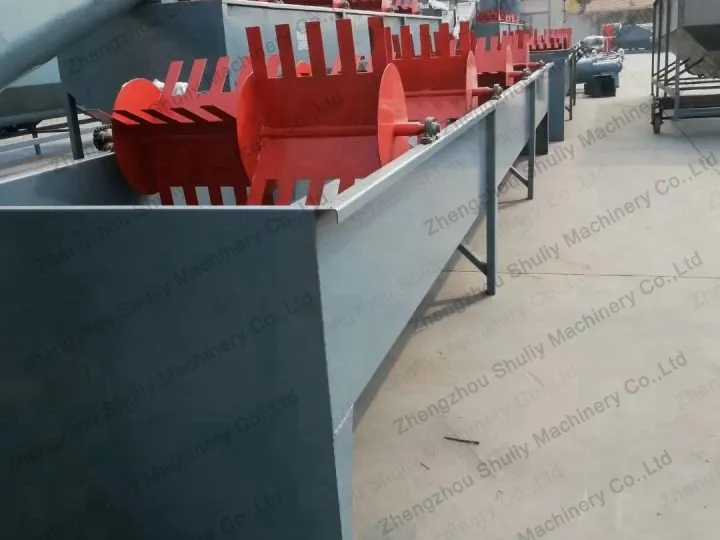
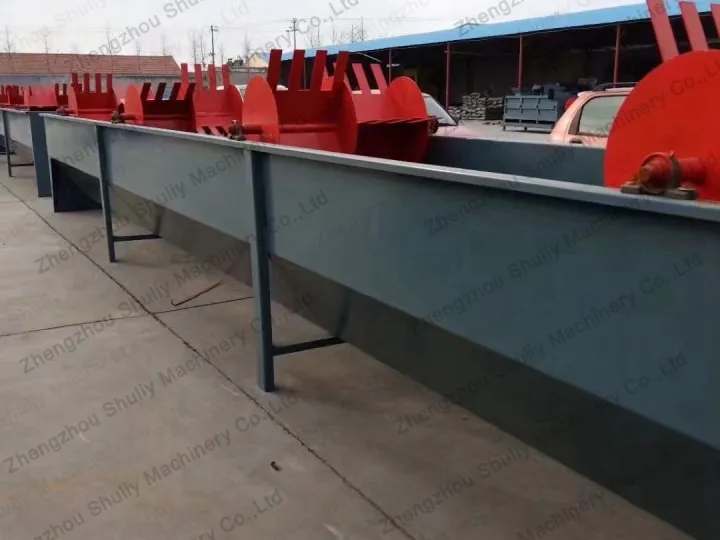
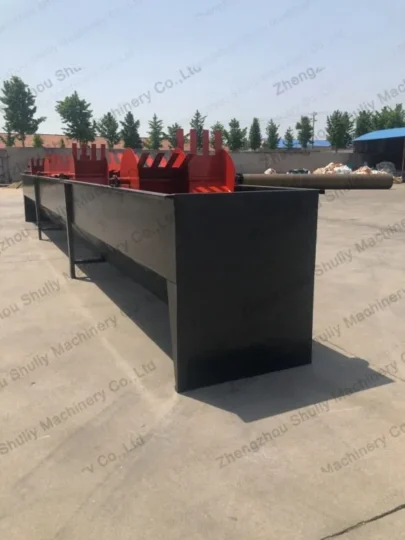
Shuliy plastic washing machine features multiple stirring wheels that move plastic flakes through the washing water. Available in carbon steel or stainless steel, the equipment supports processing capacities of 100–500 kg/h and customizable lengths from 5 to 20 meters.
How does plastic flakes washing tank work?
The plastic washing tank combines water washing with mechanical conveying. Multiple stirring wheels rotate inside the tank, pushing plastic flakes forward while keeping them moving through the washing water.
The working process involves three main steps:
- Подача: Crushed plastic flakes enter the washing tank from the feeding end.
- Washing and conveying: The stirring wheels move the material through the water. Dirt, sand, and other loose impurities are separated from the plastic surfaces.
- Discharging: The cleaned flakes move toward the other end and enter the next processing stage.
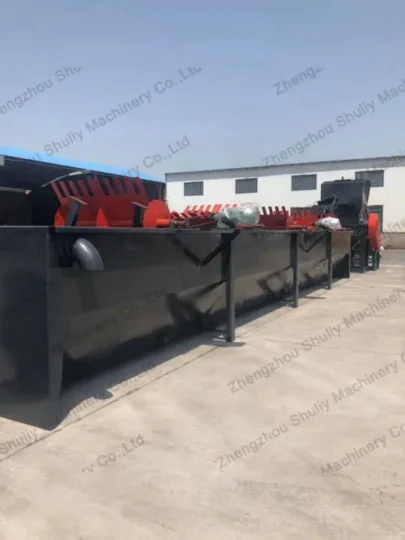
The distance between adjacent stirring wheels is generally 1.5–2 meters, helping maintain continuous material movement.
What contaminants can plastic washing tank remove?
The cleaning effect depends on the type of contamination and how strongly impurities adhere to the plastic surface.
This water-based cleaning equipment mainly handles loose contaminants that can be separated through washing and material movement.
| Contaminant | Cleaning effect |
|---|---|
| Sand and soil | Helps wash away loose sand and soil |
| Dust | Removes dust attached to plastic surfaces |
| Food residues | Helps remove loose food residues |
| Paper fragments | Helps separate some loose paper impurities |
| Oil and grease | Ordinary water washing may not remove stubborn oil stains |
For heavily contaminated materials, additional equipment or specialized washing processes may be necessary.
Technical specifications of the plastic cleaning machine
| Parameter | Спецификация |
|---|---|
| Equipment name | Plastic washing tank |
| Производительность | 100–500 kg/h |
| Tank length | 5–20 m |
| Common lengths | 5 m, 8 m, 10 m |
| Tank material | Carbon steel / Stainless steel |
| Carbon steel plate thickness | 5 mm |
| Suitable materials | PP, PE, HDPE, LDPE, PVC, PS, ABS |
| Distance between stirring wheels | 1.5–2 m |
| Кастомизация | Available |
Plastic washing tank vs. friction washer
Both machines are used in plastic recycling washing lines, but they have different working principles and cleaning functions.
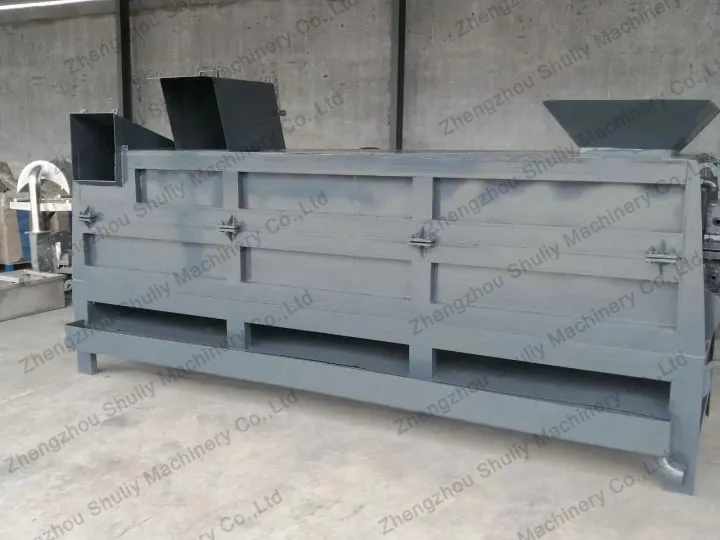
A water washing tank mainly uses water and stirring wheels to clean and convey plastic flakes. A friction washer machine uses high-speed mechanical friction to remove impurities attached to the material surface.
| Comparison | Water Washing Tank | Friction Washer |
|---|---|---|
| Cleaning method | Water washing and stirring | High-speed mechanical friction |
| Main function | Washing and conveying flakes | Intensive surface cleaning |
| Material movement | Stirring wheels push material forward | High-speed rotating components create friction |
How does plastic washing tank fit into a plastic recycling line?
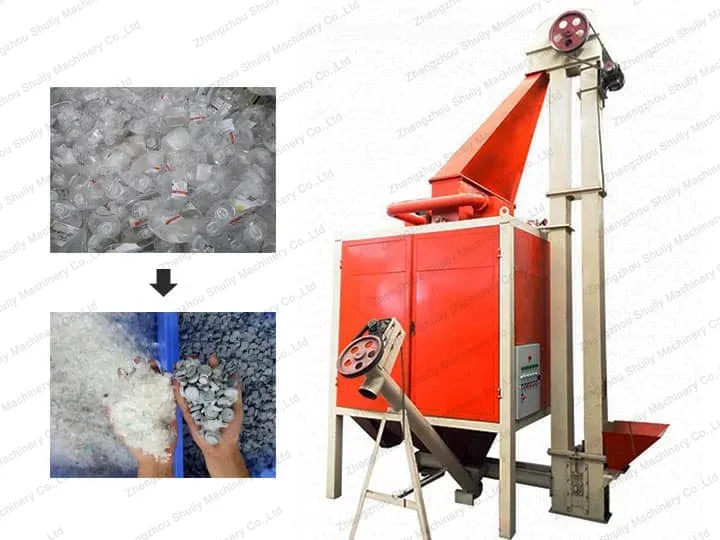
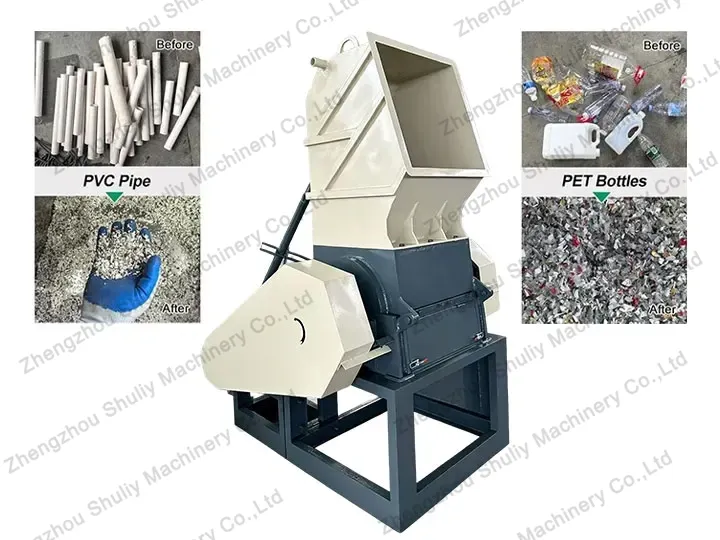
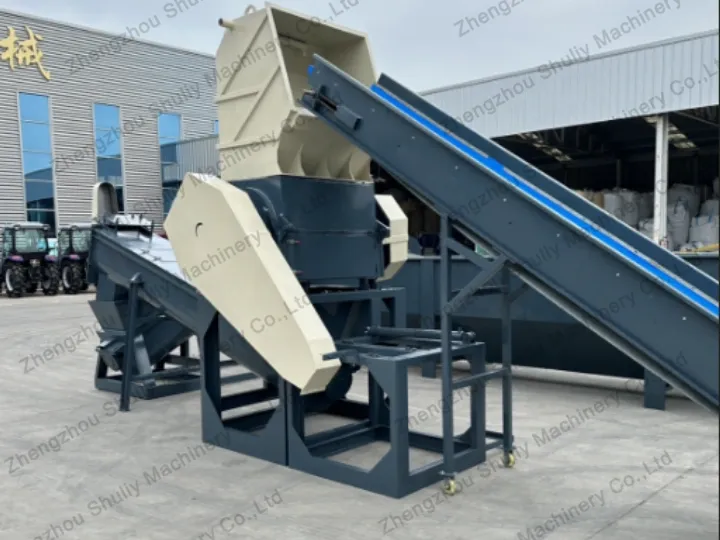
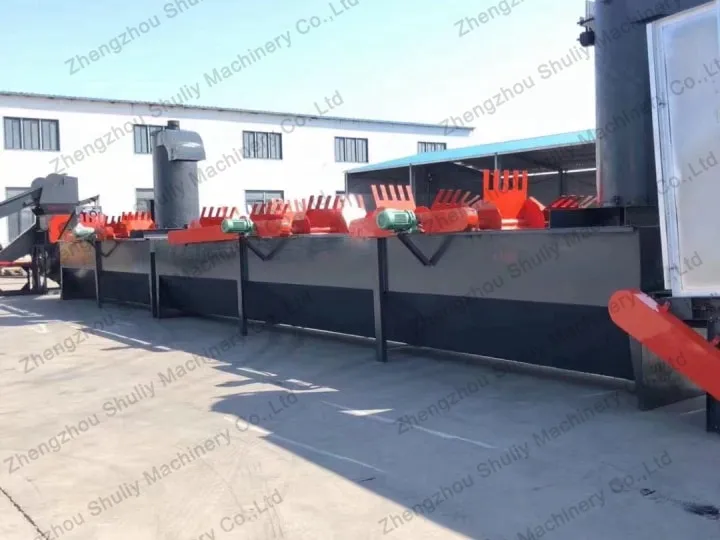
In a plastic washing line, this equipment is generally installed after the crusher. It receives crushed plastic flakes and cleans them before subsequent processing.
A typical plastic recycling washing process includes:
Plastic crusher → Plastic washing tank → Dewatering machine → Plastic dryer
Each machine performs a different task:
- Plastic crusher: Breaks waste plastic into smaller flakes.
- Plastic washing tank: Cleans the crushed material and conveys it through the washing water.
- Dewatering machine: Removes excess water from washed plastic flakes.
- Plastic dryer: Further reduces moisture before the material enters the next production stage.
The actual configuration can be adjusted according to the plastic material, contamination level, and required processing capacity.
What is the price of a plastic washing tank?
The price of a plastic washing tank ranges from $2,300 to $5,500. The final cost depends on the tank material, length, processing capacity, and customization requirements. Stainless steel and carbon steel options are available to suit different production conditions. Contact Shuliy with your material and capacity requirements to get a suitable configuration and quotation.
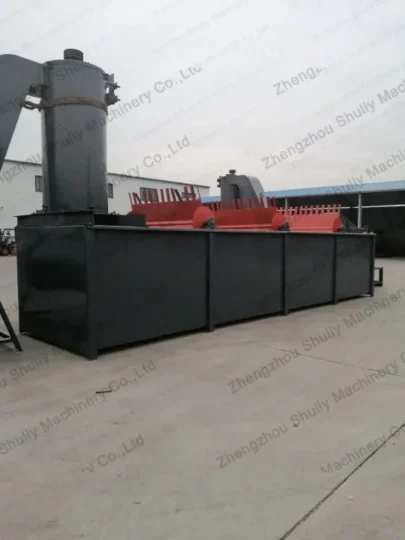
plastic flakes washing equipment
Frequently asked questions about plastic washing equipment
Can it wash PP and PE plastic flakes?
Yes. The plastic washing tank can wash crushed PP, PE, HDPE, and LDPE flakes, as well as PVC, PS, and ABS materials. The actual cleaning configuration should be confirmed according to the material condition.
Is a longer washing tank better?
Not always. A longer tank provides a longer material travel path, but cleaning performance also depends on material feeding speed, contamination level, and washing conditions.
Can the tank length be customized?
Yes. Shuliy provides standard lengths of 5 m, 8 m, and 10 m, as well as customized options ranging from 5 to 20 meters.
What is the processing capacity?
The processing capacity ranges from approximately 100 to 500 kg/h. Actual output depends on the equipment configuration and material characteristics.
Customized plastic washing equipment and services from Shuliy
Shuliy provides factory-direct pricing, customized equipment solutions, technical guidance, and spare parts support. We can help you select the right plastic washing tank material, length, and capacity for your recycling line, and provide advice on equipment installation and operation.
Contact Shuliy today to discuss your plastic washing requirements and get a customized solution and quotation.