Aluminum can flattening machine
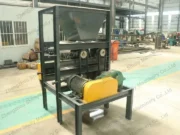
| Thương hiệu | Shuliy |
| Mẫu mã | 400, 600, 800, 1000, etc. |
| Công suất motor | 3-15kw |
| Roller diameter | 299-560mm |
| Flattened thickness | 1-2mm |
| Dung lượng | 100-2600kg/h |
Bạn có thể hỏi các quản lý dự án của chúng tôi về chi tiết kỹ thuật
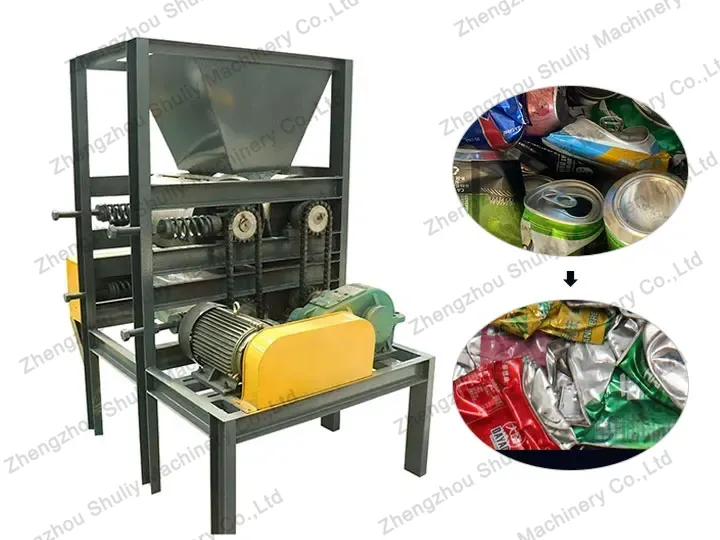
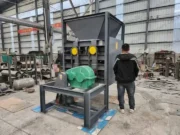
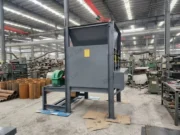
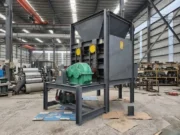
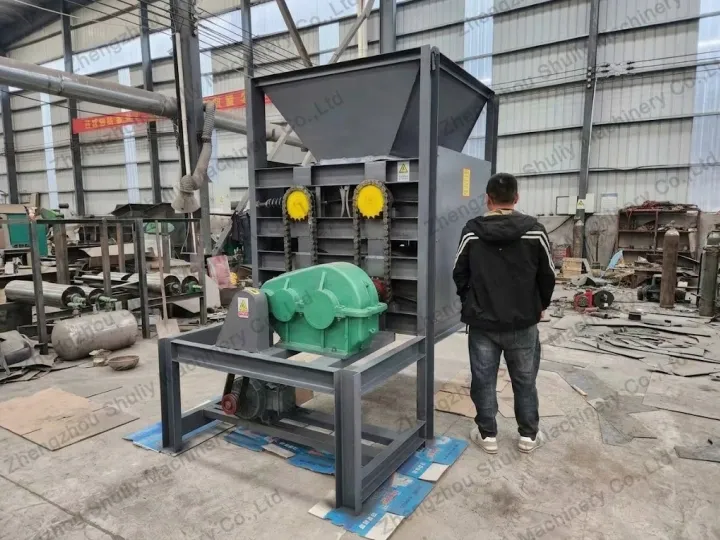
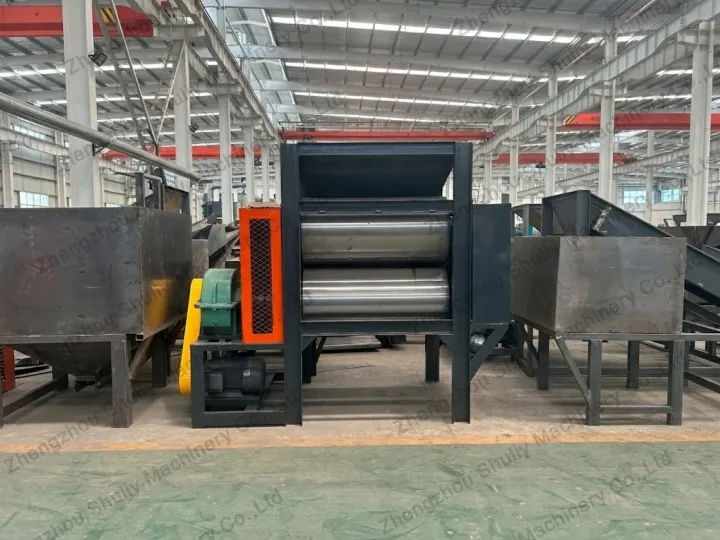
The aluminum can flattening machine is designed to flatten empty beverage cans and other suitable lightweight metal containers before recycling. It uses rotating compression rollers to squeeze cans into thin, flat sheets, reducing their storage volume and making collection, transportation, and subsequent recycling more convenient.
We offer a range of aluminum can extruders with processing capacities from 100 to 2,600 kg/h. These varying capacities meet the needs of recycling workshops, scrap metal centers, beverage can recycling facilities, and industrial-scale recycling operations.
If you are interested in this aluminum can recycling machine, please feel free to contact us for detailed information!
Why use a beverage can flattener machine?
- Reduces can storage volume: Empty beverage cans take up considerable space when collected without processing. Flattening reduces their volume, helping recycling businesses organize storage areas.
- Roller-based flattening: The aluminum can flattening machine uses compression rollers. This makes it suitable for applications where the objective is to flatten containers rather than produce small metal fragments.
- Multiple models for different capacities: Our aluminum can press machine is available in several models, with roller diameters ranging from 299 mm to 560 mm in the supplied specifications.
- Supports recycling operations: Flattened cans are easier to collect and arrange for subsequent handling.
- Save labor costs: Compared to manual or semi-automated processing, using a beverage can flattener can reduce labor costs by 45%.
Working principle of aluminum can flattening machine
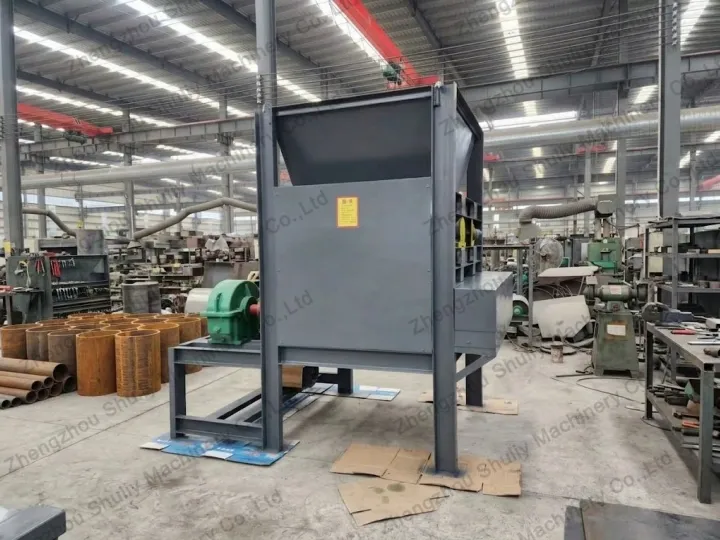
The aluminum can flattening recycling machine uses compression rollers to flatten cans through mechanical pressure.
Its working process includes three main steps:
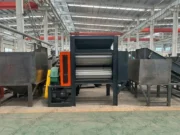
- Cấp liệu: Empty cans are placed into the feeding inlet. A suitable feeding conveyor can be added when required.
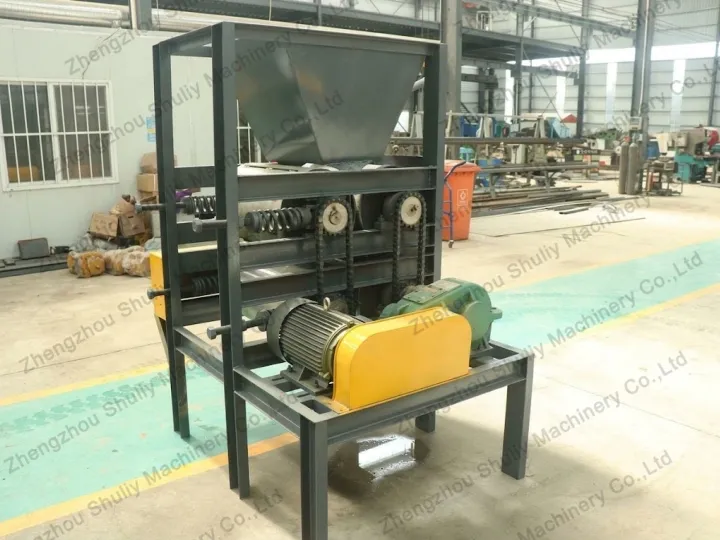
- Roller compression: The motor drives the reducer, which transmits power to the rollers. As the cans pass between the rotating rollers, they are squeezed and flattened.
- Discharge: The flattened cans leave the machine and are collected for storage, transportation, or further recycling.
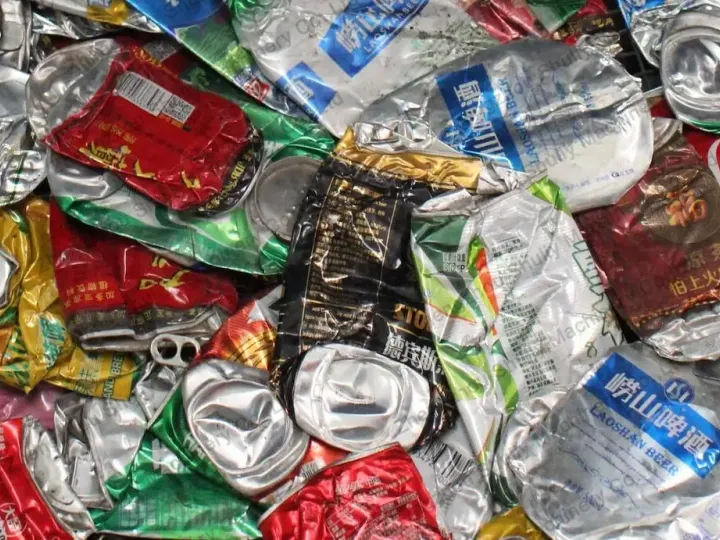
The resulting material is flat rather than shredded. The target thickness is approximately 1–2 mm according to the supplied specifications, although the actual result depends on the can material, dimensions, and operating conditions.
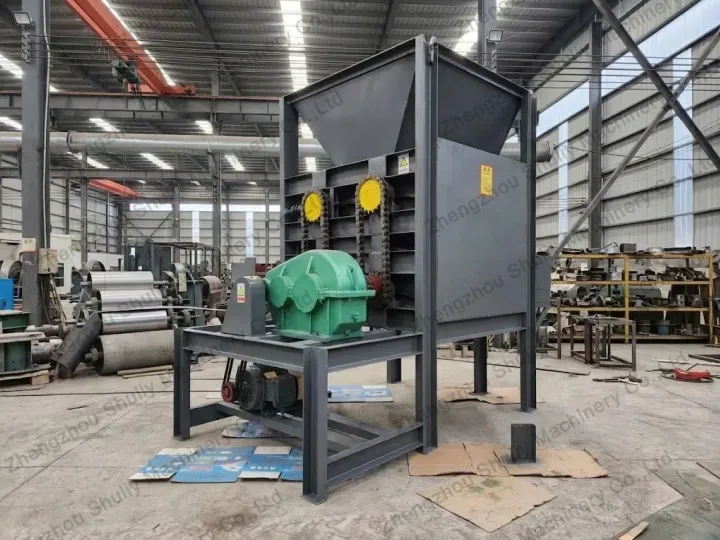
Technical specifications of aluminum can extruder machine
The following table summarizes the available models and specifications.
| Mẫu mã | Dimensions (W × L × H, mm) | Motor Power (kW) | Bộ giảm tốc | Roller Diameter (mm) | Flattened Thickness (mm) | Công suất (kg/h) |
|---|---|---|---|---|---|---|
| 400 | 1040 × 1270 × 1500 | 3 | 200-type | 299 | 1–2 | 100 |
| 600 | 1080 × 1430 × 1600 | 4 | 200-type | 299 | 1–2 | 180 |
| 600 | 1280 × 1510 × 1850 | 7.5 | 250-type | 406 | 1–2 | 260 |
| 800 | 1750 × 1250 × 1900 | 7.5 | 250-type | 406 | 1–2 | 300 |
| 1000 | 2050 × 1300 × 2000 | 11 | 350-type | 406 | 1–2 | 500–700 |
| 1000 | 2300 × 1570 × 2200 | 15 | 500-type | 508 | 1–2 | 1100–1300 |
| 1200 | 2300 × 1450 × 2000 | 11 | 350-type | 406 | 1–2 | 700–900 |
| 1200 | 2695 × 1600 × 2250 | 15 | 500-type | 560 | 1–2 | 1800–2000 |
| 1500 | 3000 × 1560 × 3020 | 15 | 500-type | 560 | 1–2 | 2000–2600 |
Applications of aluminum can compression machine
The aluminum can flattening machine is primarily used in waste collection and recycling operations where empty metal containers need to be reduced in volume.
Common applications include:
- Aluminum beverage can recycling: Flattening used soda cans, beer cans, and other compatible empty beverage cans.
- Scrap metal collection centers: Reducing the space occupied by collected cans before storage and transportation.
- Recycling workshops: Processing cans as a preliminary step before further sorting or recycling.
- Commercial waste handling: Managing empty metal beverage containers collected from commercial premises and other suitable collection points.
- Recycling line integration: Working alongside conveyors, collection equipment, sorting systems, or baling machines where required.
Materials processed and finished products
The aluminum can flattening machine is primarily designed for empty aluminum beverage cans, including used soda cans and beer cans. It uses rotating rollers to compress cylindrical cans into flat sheets, reducing their volume without shredding them into small pieces.
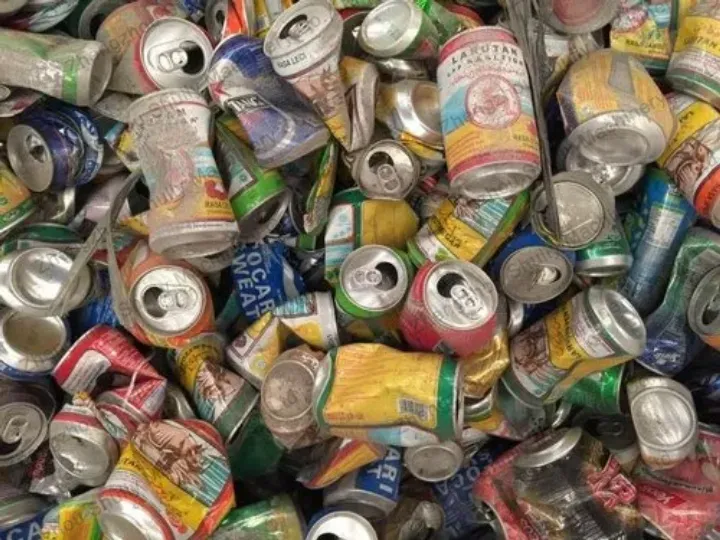
- Raw materials: Empty aluminum beverage cans collected from recycling centers, commercial premises, and waste collection facilities.
- Finished products: Flattened aluminum cans with a target thickness of approximately 1–2 mm.
How much does it cost to invest in can flattener?
The price of an aluminum can flattening machine typically ranges from $3,000 to $7,000 USD. The final price depends on the machine model, roller configuration, motor power, and processing capacity. Smaller models with lower power requirements are generally more economical, while larger configurations designed for higher throughput may cost more.
When comparing can flattening machine prices, consider the required output, available installation space, and compatibility with your cans. Contact Shuliy with your material type and expected processing capacity to receive a suitable model recommendation and an accurate quotation.
FAQs about purchasing aluminum can extruder
What is an aluminum can flattening machine used for?
It is used to flatten empty aluminum beverage cans and other compatible containers, reducing their volume for storage, transportation, and subsequent recycling.
Does the machine crush cans into small pieces?
No. Its primary function is to flatten cans through roller compression. It is not designed to shred them into small fragments.
What thickness can the machine produce?
The supplied specifications state a flattened thickness of approximately 1–2 mm. Actual results may vary with the can material, dimensions, and operating conditions.
Can it be equipped with an automatic feeding device?
Yes. An automatic feeding device can be equipped according to customer requirements.
How to buy aluminum can flattening machine from Shuliy?
Shuliy provides equipment selection and purchasing support for customers setting up or upgrading their can recycling operations. The purchasing process is straightforward:
- Discuss your requirements: Tell us the type of cans you process, your target capacity, and your local power supply requirements.
- Confirm the solution and quotation: Our team recommends a suitable model and confirms the machine specifications, price, and order details with you.
- Place the order: After both parties agree on the equipment configuration and terms, you pay a 30% deposit by bank transfer, and production begins.
- Production and testing: We provide production progress photos or videos. Before shipment, the machine is tested, and relevant testing photos or videos are shared for your confirmation.
- Pay the balance and arrange shipment: After the machine is ready and the agreed checks are completed, you pay the remaining 70% balance. We then arrange export packing and shipment and provide shipping updates and relevant documents.
- After-sales support: Shuliy provides operation guidance, technical support, and spare parts assistance to help you put the machine into operation.
If you are unsure which model fits your recycling project, send us your expected capacity and can specifications. Shuliy can help you compare the available configurations and obtain a quotation based on your requirements.
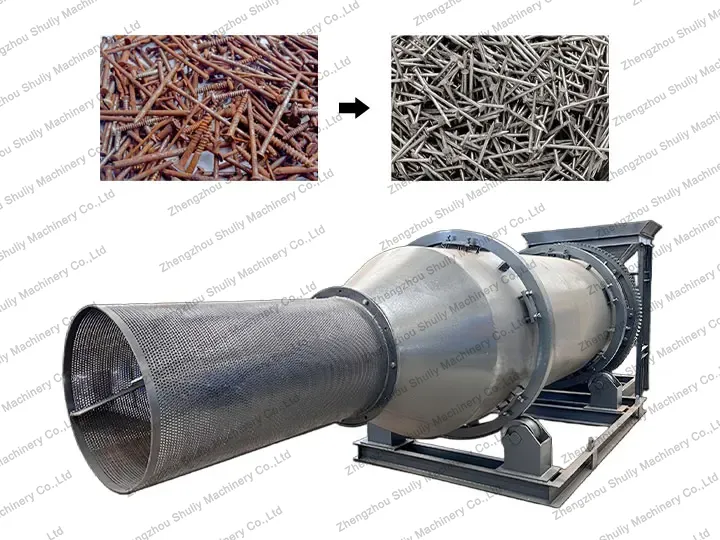
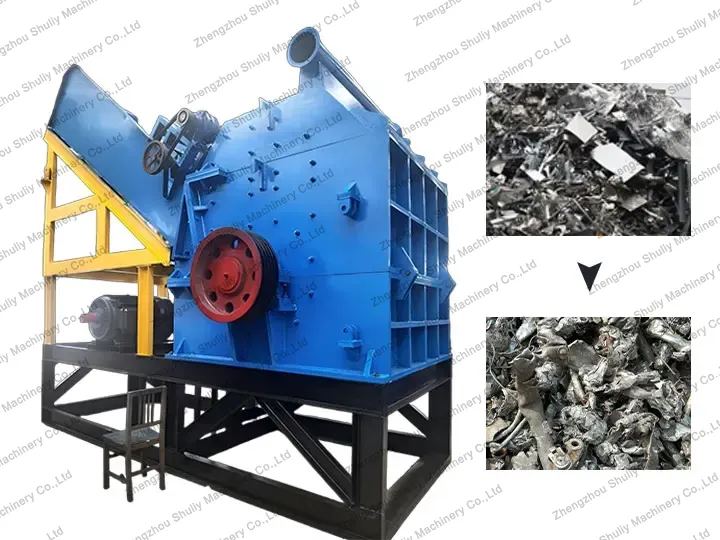
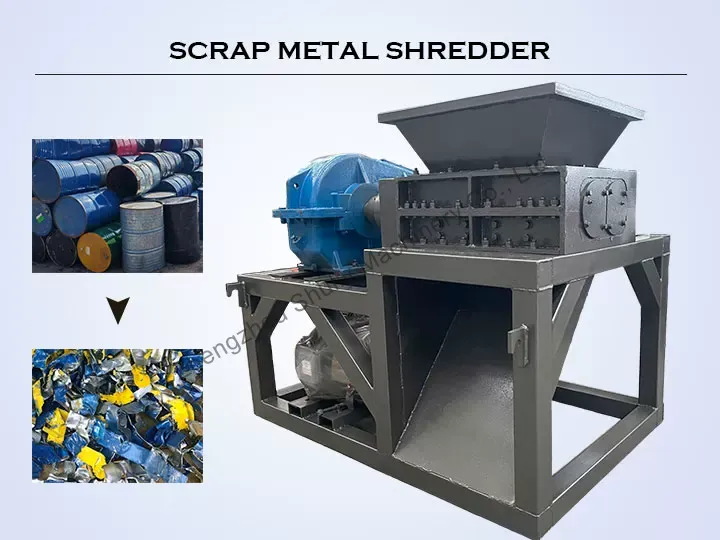
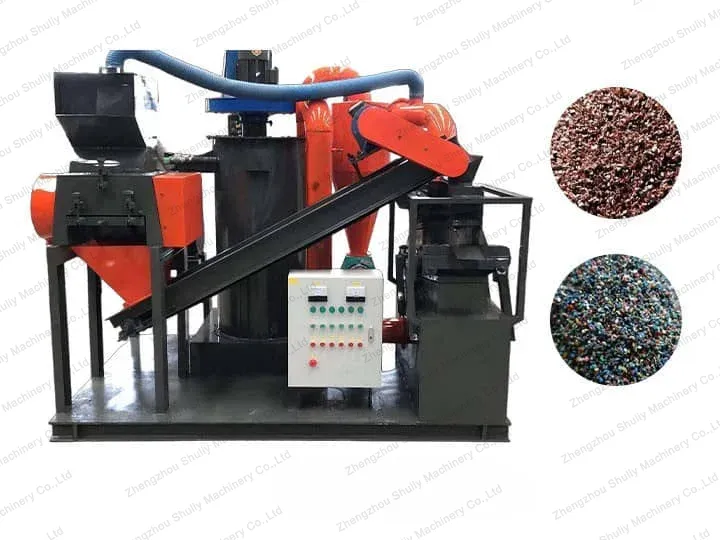
We also offer a wide range of recycling equipment, such as máy ép kim loạis and metal shredders. Upon request, we can provide detailed solutions and price quotations.
Discuss your can recycling needs with Shuliy
Ready to improve your can recycling process? Contact Shuliy to discuss your processing needs, compare machine models, and get a quotation for an aluminum can flattening machine. Share your expected capacity and can specifications with our team, and we will help you find a suitable solution for your recycling project.