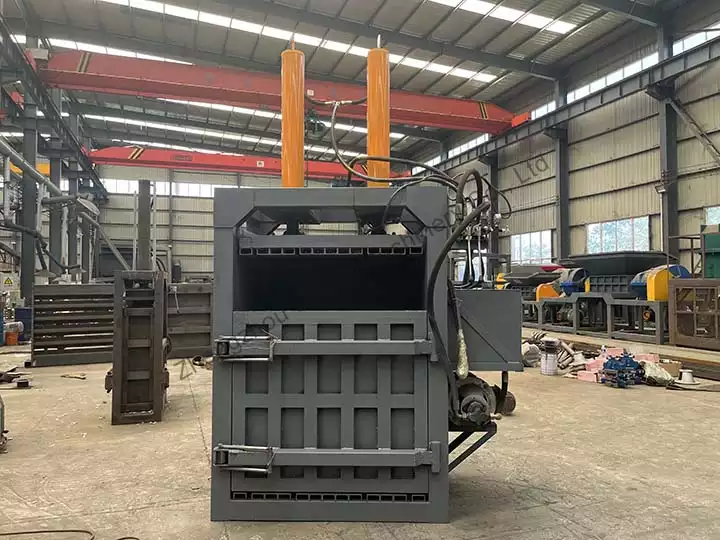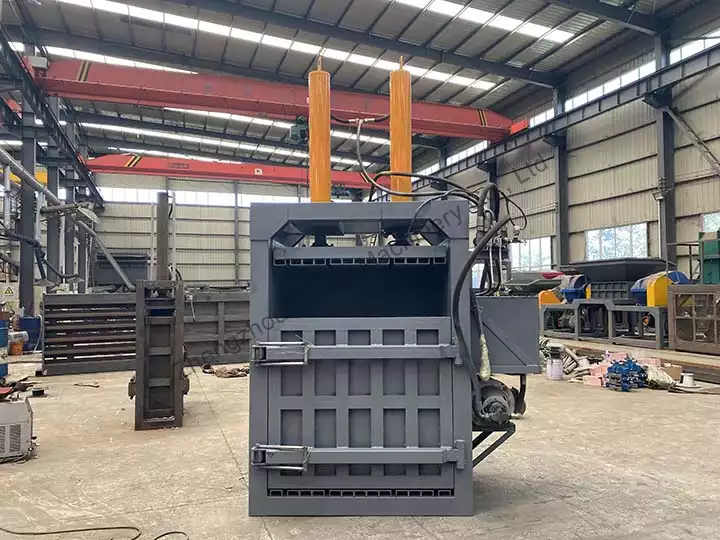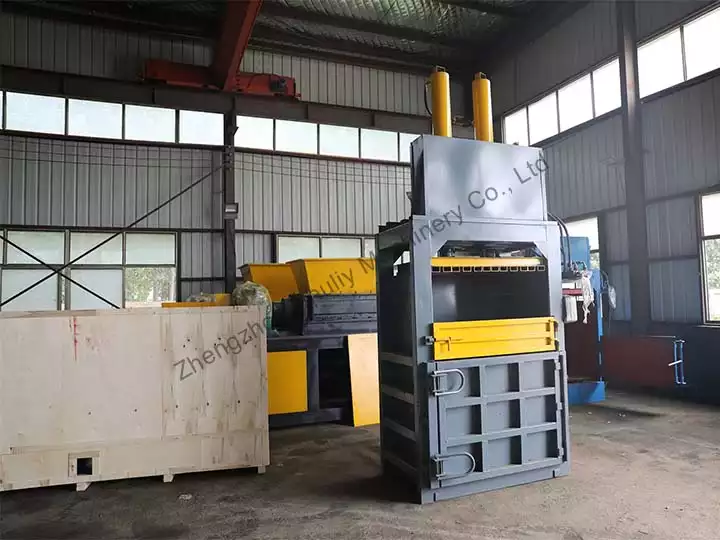
Máy nén giấy carton đứng SL-60T bán cho Ghana
Chúng tôi rất vui khi chia sẻ rằng một khách hàng Ghana đã đặt mua một thùng nén thùng carton đứng để giải quyết nhu cầu đóng gói giấy thải của mình. Để hoàn tất việc mua hàng thành công và giảm thiểu rủi ro của giao dịch, anh ấy đã chọn hợp tác với người bạn Trung Quốc của mình để thanh toán thay mặt và chuẩn bị vận chuyển.
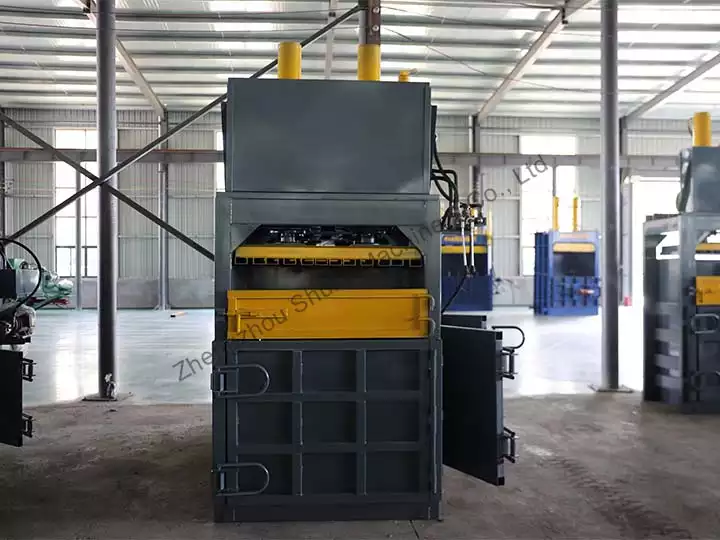
Tại sao lại mua máy nén thùng carton đứng cho Ghana?
Knowing the importance of the vertical cardboard baler in waste paperboard recycling, this Ghanaian customer began his search for a suitable equipment supplier. Through extensive market research and consultation, he chose a well-known Chinese manufacturer of vertical hydraulic balers, a company known for its excellent product quality and good reputation.
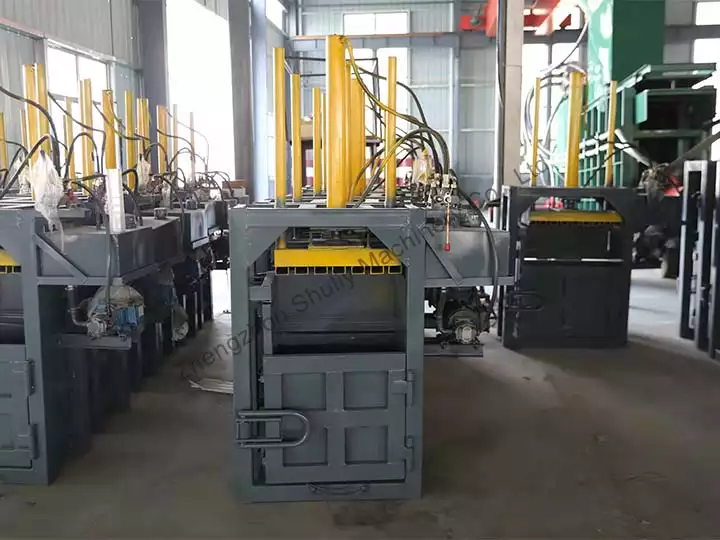
Để giảm thiểu rủi ro giao dịch và sự bất tiện của thanh toán xuyên biên giới, khách hàng quyết định hợp tác với người bạn Trung Quốc của mình để thanh toán thay mặt. Sự hợp tác này không chỉ đơn giản hóa quá trình giao dịch, mà còn tăng cường sự tin tưởng và hợp tác giữa hai bên.
Gói hàng và giao hàng của máy nén thùng carton đứng 60T
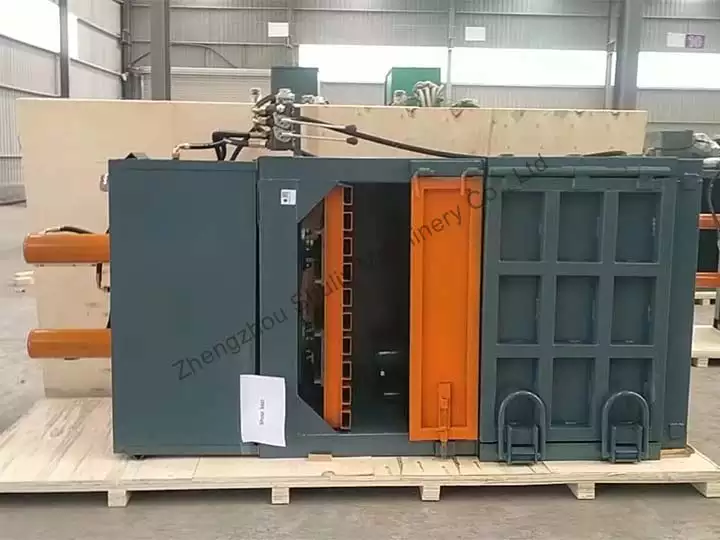
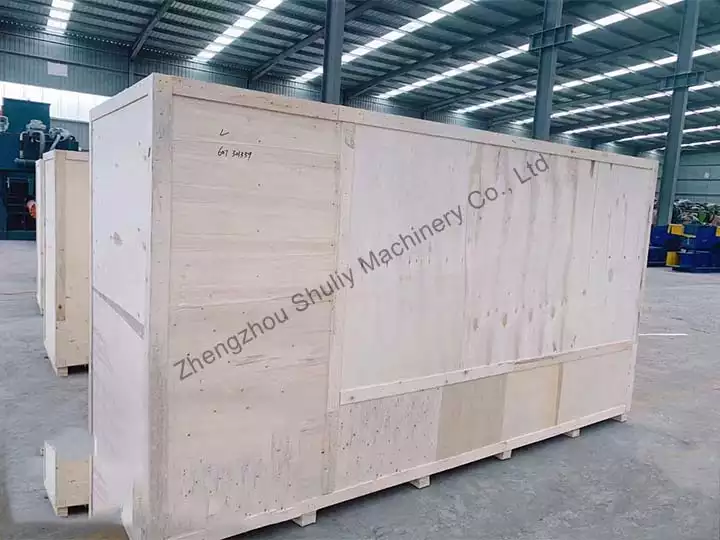
The vertical hydraulic baler is now ready for dispatch. The customer is full of anticipation, knowing that this equipment will greatly improve the efficiency of his waste paper board baling and bring more opportunities and profits to his waste paper recycling business. He is looking forward to the arrival of the equipment and believes this purchase will bring long-term value and benefits to his business.
Danh sách máy móc cho Ghana
| Mục | Thông số kỹ thuật | Số lượng |
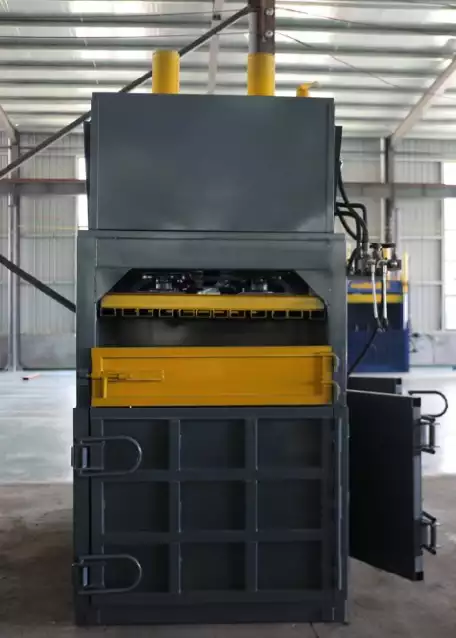 | Mẫu-60 Áp lực: 60 tấn Công suất: 15kw Kích thước máy nén: 110*75cm Hành trình xy lanh: 160cm Kích thước máy: 1850*2000*3100mm | 1 bộ |
Notes: In order to ensure the security of the transaction, both parties agree on the payment terms: the customer needs to pay 30% of the total price of the equipment as a deposit, and production will start after the receipt of the deposit is confirmed. After the production is completed and confirmed by the customer, the customer needs to pay the remaining 70% of the final payment before delivery. This payment method not only protects the interests of the supplier, but also provides the customer with a certain degree of payment flexibility.