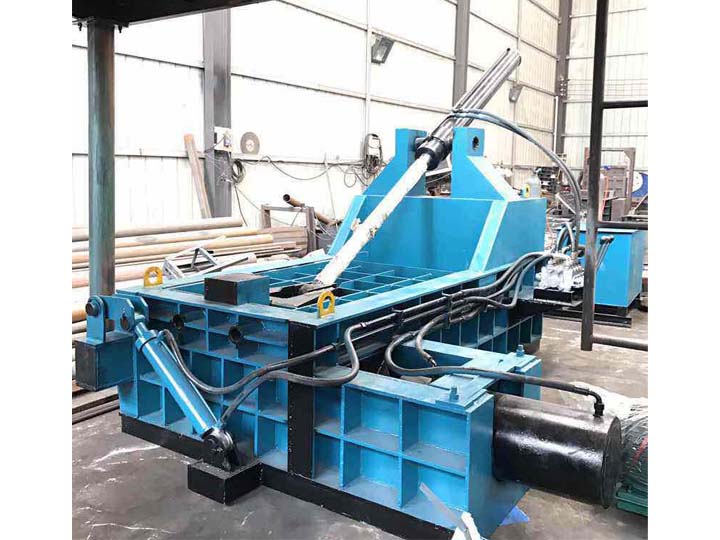
How Does a Metal Crusher Work?
The metal crusher is an indispensable piece of equipment in the modern recycling and metal processing industries. We aim to help you clearly determine whether this machine is the right fit for your recycling business.
This article will provide a detailed exposition of the metal crusher’s mode of operation, fundamental principles, operational procedures, core functions, and its pivotal position within a complete metal processing production line.
What Is the Metal Crushing Machine?
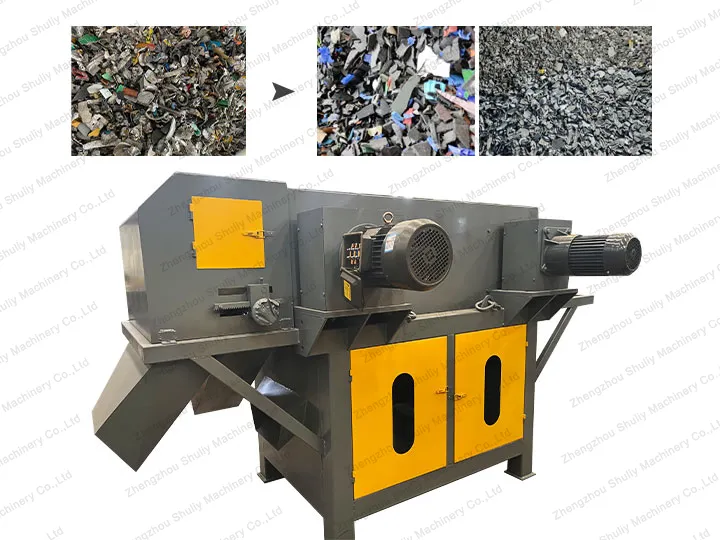
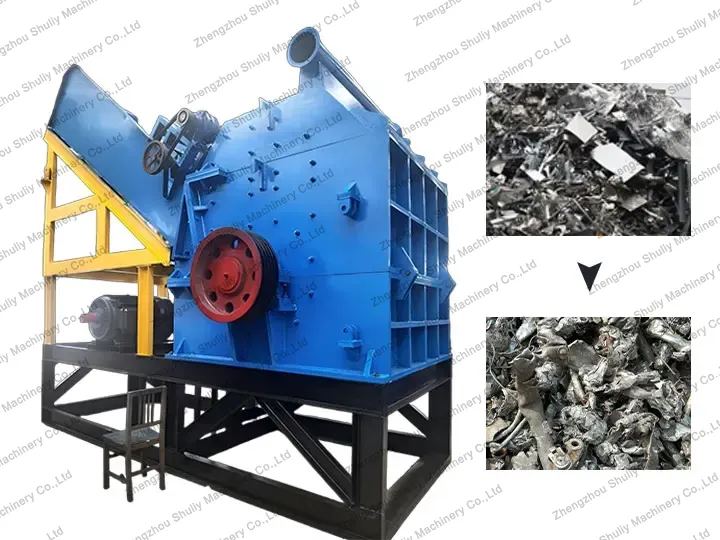
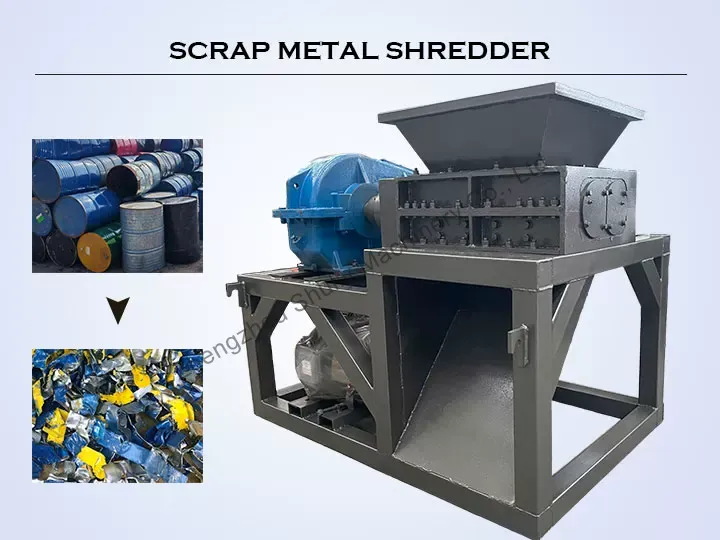
A metal crusher is a heavy-duty machine designed to break large scrap metal pieces into smaller, manageable fragments. It is commonly used in recycling plants, scrap yards, and metal recovery industries to process materials such as steel drums, aluminum profiles, car shells, and household appliances.
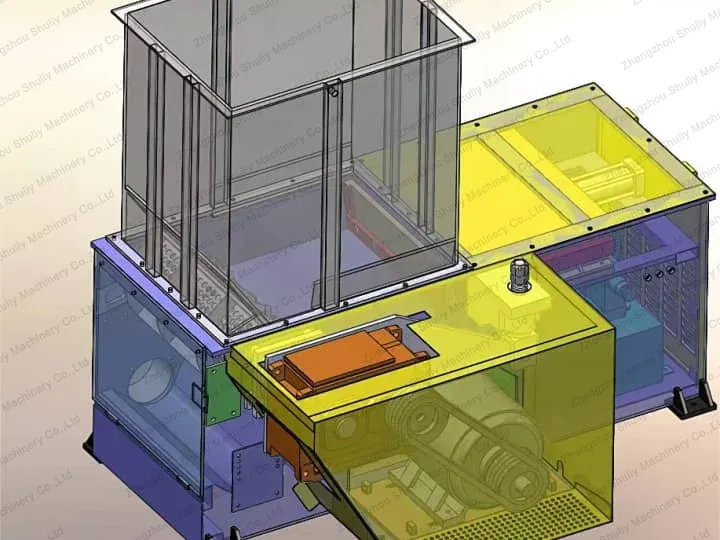
Working Principle of the Machine Metal Crusher
The working principle of a metal shredder is based on the high-speed rotation of hammers or blades, combined with powerful impact forces.
When scrap metal is fed into the shredding chamber, high-speed rotating components—such as hammers, rollers, or blades—repeatedly strike the material.
Subjected to the combined forces of impact, shearing, and compression, the metal is broken down into smaller particles. Finally, a screening system discharges the particles that meet the specified size requirements.
It is precisely this integrated application of mechanical forces that enables even rigid metal structures to be efficiently shredded and broken down.
Metal Crusher Workflow
The complete workflow of a metal shredder typically comprises the following stages: Feeding → Shredding → Separation → Discharge.
- Feeding stage: Scrap metal is introduced into the feeding hopper via conveyor belts, forklifts, or manual loading.
- Shredding stage: Inside the shredding chamber, high-speed rotating shredding tools break down the metal through repeated impact and friction.
- Separation stage: Shredded material that meets the specified size criteria is discharged through a screen (the final product size can be adjusted by changing the screen).
- Discharge stage: The shredded metal fragments are expelled through the discharge port, ready for subsequent processing or transportation.
Key Advantages of Metal Shredders
- Shredding large scrap metal into smaller, more uniform pieces.
- Increasing metal density, facilitating storage and transportation.
- Enhancing the efficiency of melting and smelting processes.
- Aiding in separating different types of metals within the recycling system.
- Reducing labor costs and the need for manual handling.
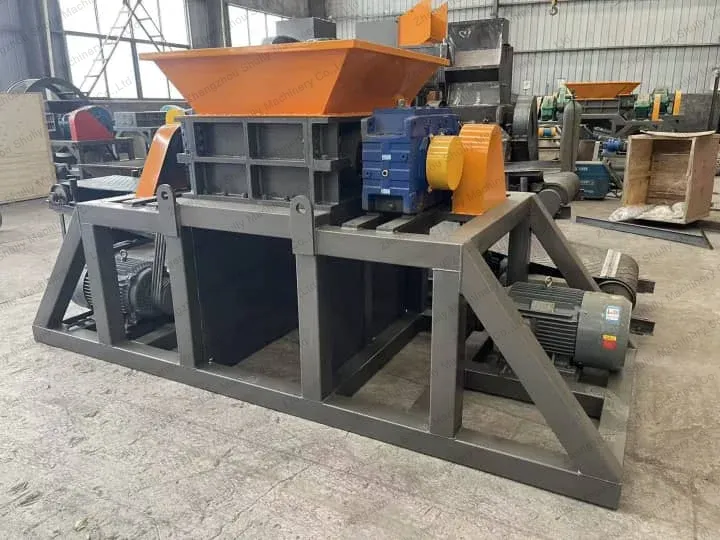
Why Are Metal Crushers So Important in a Production Line?
In a complete metal processing or recycling production line, a scrap metal crusher is typically positioned within the pre-treatment stage.
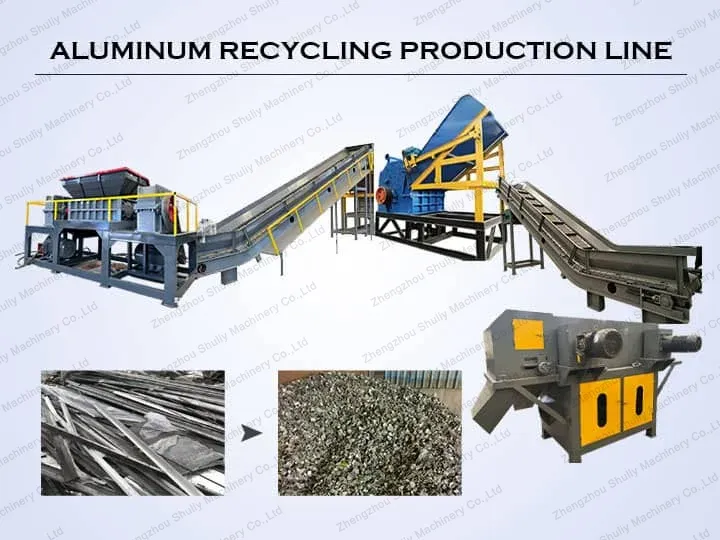
A typical production line layout is as follows:
- Scrap metal collection equipment
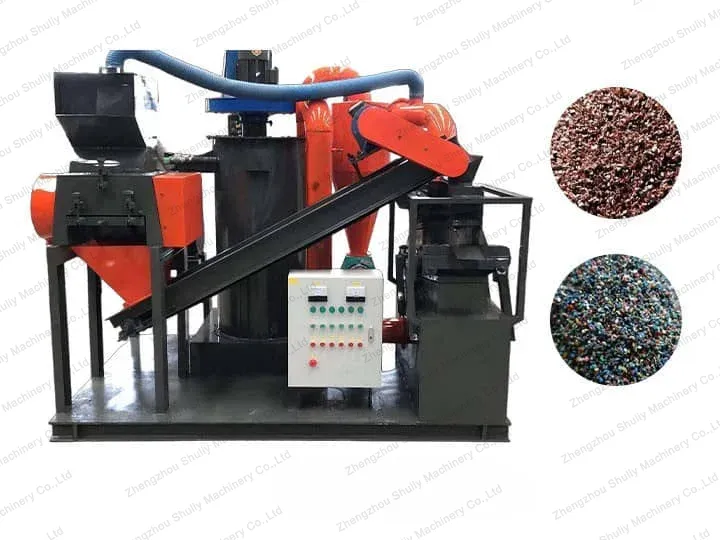
- Metal crusher (Primary size reduction)
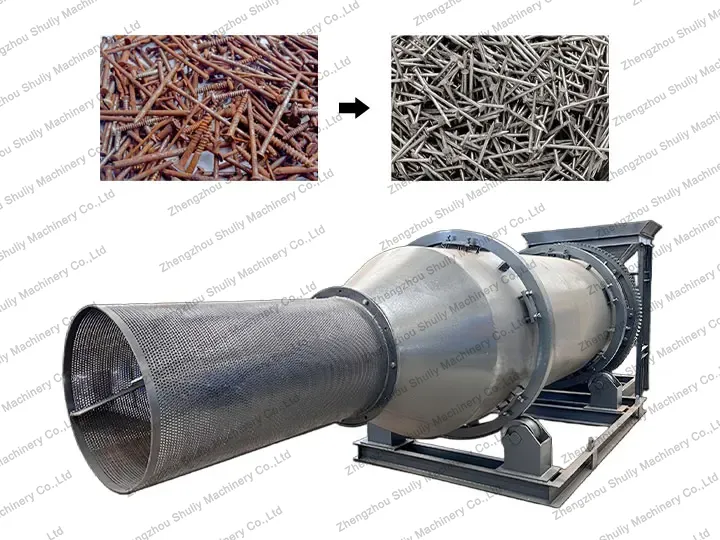
- Magnetic separation/sorting system
- Secondary shredding or fine crushing machine (As required)
- Smelting or subsequent recycling processing system
Its primary function is to pre-treat the scrap metal feedstock into a form that is uniform in size and easy to process, thereby enhancing the efficiency of downstream processes and reducing costs.
Pre-treating scrap metal significantly boosts operational efficiency and, to a certain extent, protects machinery by minimizing wear and tear. Contact us if you are interested in this machine.